The One Thing I Wish I Had Sooner for My Dog’s Health
Nicole Patrick
Hi Rescue Spot family, Nicole here, founder of Rescue Spot. As part of our newly launched blog, I’ll be sharing everything from adoption tips to products I genuinely love and use. For my first post, I wanted to start with something that is very personal to me and something I really wish I had found sooner.
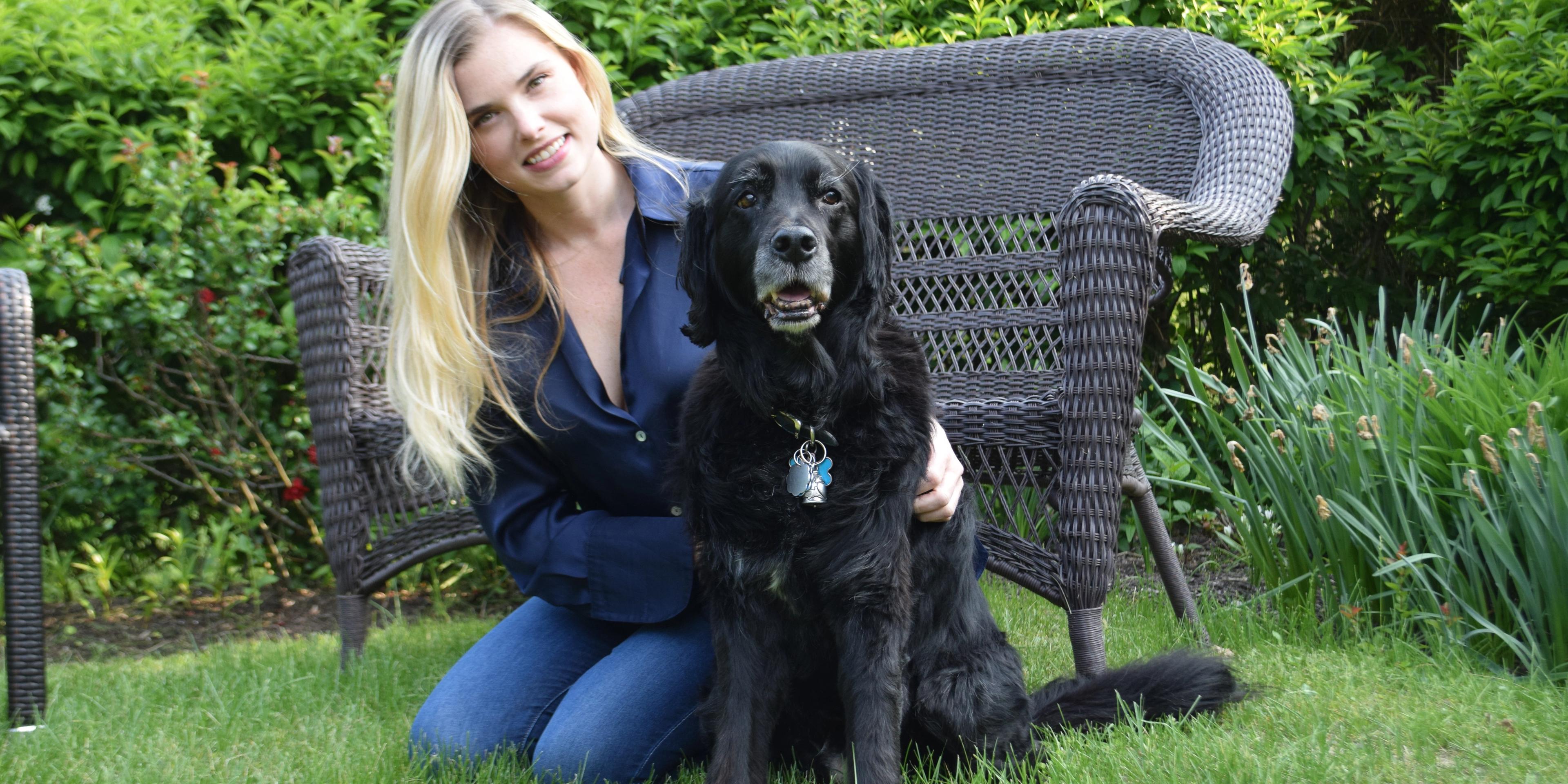
Earlier this year, my dog Gatsby, my golden retriever mix, was diagnosed with pulmonary hypertension, which is high blood pressure in the lungs. It happened completely out of nowhere. One day he was totally fine, and the next he was collapsing multiple times a day. It was truly one of the scariest things I’ve ever gone through. Gatsby is my soul dog, and at 15 years old he’s been with me through basically my entire adult life, so seeing him like that was heartbreaking.
With a lot of care, medication, and constant monitoring, we’ve been able to manage his condition, and I’m so grateful he’s still here and still happy. But one of the biggest things his cardiologist emphasized early on was how closely his episodes were tied to his heart rate and respiratory rate. Between that and the amount of medication he’s on, it became really important for me to actually track what was going on with him throughout the day, not just guess.
So I did what any concerned millennial pet parent would do and went into full research mode. I figured with how advanced human health tech is, there had to be something out there for pets that could actually help.
I tried a few different devices, and honestly… I was pretty underwhelmed. Some were bulky and awkward and looked like they belonged on a horse, not a 15-year-old golden mix who still thinks he’s a model. Others were expensive but didn’t really give me anything useful. A lot of them were basically GPS trackers pretending to be health devices.
The most frustrating part was the data. Instead of giving me actual numbers throughout the day, they would categorize everything as “low,” “good,” or “elevated,” or give me one average for the entire day. That might sound helpful, but when you’re trying to understand what’s happening in real time, it’s kind of useless. I didn’t need a vibe check, I needed actual heart rate and respiratory numbers I could track and compare.
I returned more than one of them feeling frustrated and a little helpless.
I first heard aboutMaven through someone in the rescue community — which immediately got my attention because when you’re dealing with rescue dogs, you’re often starting without a full picture of their health. She mentioned how helpful it was for catching things like itching or subtle behavior changes early, especially with dogs where you don’t know their full history. That’s what made me look into it more seriously.
The Maven Dog Health Tracker is different from everything else I tried because it’s actually built around detailed health data, not just location. It tracks heart rate, respiratory rate, activity, rest, sleep, and even things like scratching or head shaking. For dogs, it even monitors water intake, which I didn’t realize would be as helpful as it is. They also have a version for cats, which I love because cats can get sick quickly and are incredibly good at hiding it, so having something that helps you catch subtle changes early is huge.
When mine arrived, the first thing I noticed was how small and lightweight it was. It sits under Gatsby’s collar so you don’t really see it, which I appreciated because the other devices were seriously cramping his style and I felt guilty making him wear something so bulky all day and night.
Setup was easy, the app made sense, but what really stood out was the data. For the first time, I could actually see his heart rate and respiratory rate throughout the day. Not categories, not averages, but real numbers that updated consistently when he was at rest. I could log events like fainting, track patterns, compare days, and actually understand what was happening instead of guessing.
It’s been incredibly helpful to line that data up with his episodes and share it with my vet. Instead of trying to explain things from memory, I can literally show what was happening in his body in a detailed report. It also doesn’t take forever to become useful. Within about a week, it starts building a baseline and recognizing what’s normal for your pet.
Going through this with Gatsby has really changed how I think about pet health. One of the hardest parts is that pets can’t tell us when something feels off. By the time we notice something is wrong, it can already be serious, which was unfortunately the case for me and Gatsby. Looking back, I can’t help but think that having something like this earlier could have helped me catch changes sooner.
As someone who has fostered over 100 animals, I can say this would be incredibly helpful for fosters and newly adopted pets. When you bring home a rescue, you’re often working with limited or incomplete medical history. You don’t always know what’s normal for them yet, and sometimes the signs that something is wrong are really subtle.
What I love about this is that it takes some of the guesswork out of that early period. Instead of wondering “is this normal?” or “are they just adjusting?”, you can actually see patterns in their heart rate, breathing, activity, and behavior and establish a baseline pretty quickly.
For rescues especially, where early intervention can make a huge difference, having that kind of insight is incredibly valuable. It’s not just about peace of mind, it can actually help you catch issues sooner, advocate better for the pet, and give them the best possible start in their new home.
For a platform like Rescue Spot, where we’re helping place pets into new homes every day, this is exactly the kind of tool that can help set both pets and adopters up for success from the start.
There’s nothing we wouldn’t do to give our pets a longer, healthier life. For me, this has given me a level of peace of mind that I didn’t have before. I no longer feel like I’m waiting for the other shoe to drop. Instead, I feel like I finally have a real understanding of what’s going on with Gatsby and can be proactive about his care.
If you want to check it out for your own pet, you can learn more here and get $88 off their annual plan. Especially if you’ve just adopted or are fostering, I really can’t recommend this enough.